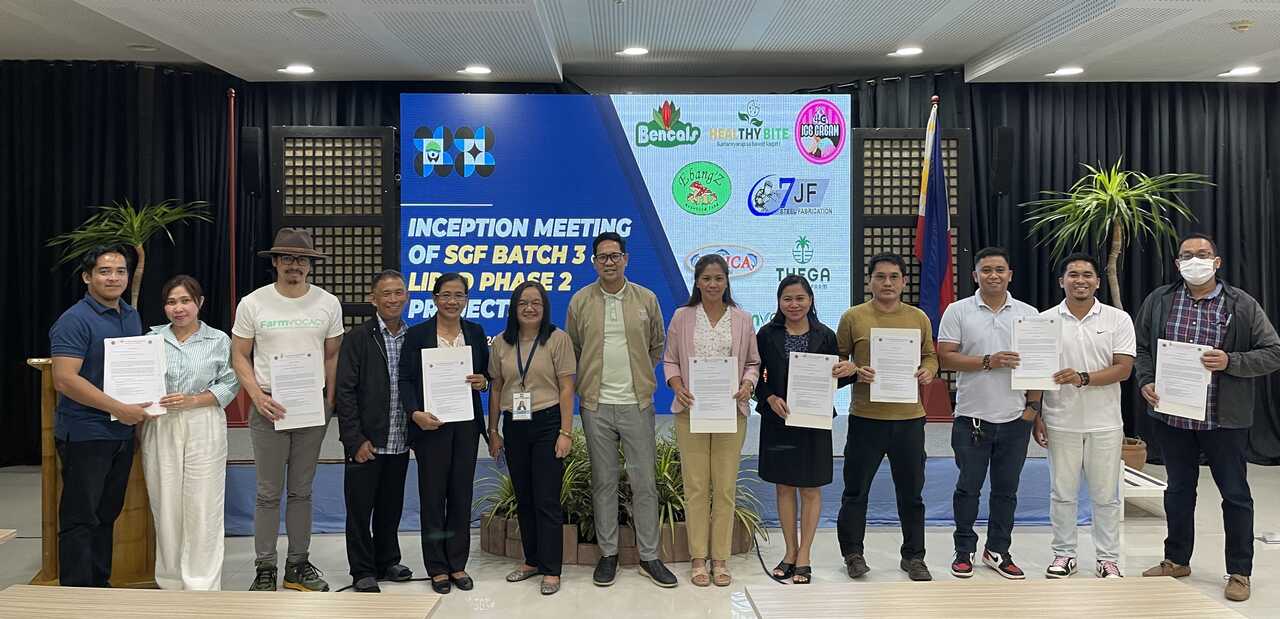
If you’re a founder hoping to grow your idea into a real product, the Startup Grant Fund (SGF) is one of the most helpful government programs you can apply for. This grant—managed by DTI, DICT, and DOST—gives startups money, mentoring, and access to a network of experts so they can build and test their products faster. The SGF is part of the initiatives developed in line with the implementation of Republic Act No. 11337 (Innovative Startup Act) to make the Philippines a supportive home for new tech ideas and young entrepreneurs.
You can apply for the SGF as long as you have a registered startup, a clear product idea, and a complete project proposal. Once approved, grants can range from ₱500,000 to ₱1,000,000, depending on your work plan and the agency’s evaluation. The good news? You can apply any time, regardless of your startup’s age, as long as you meet the requirements.
Overview
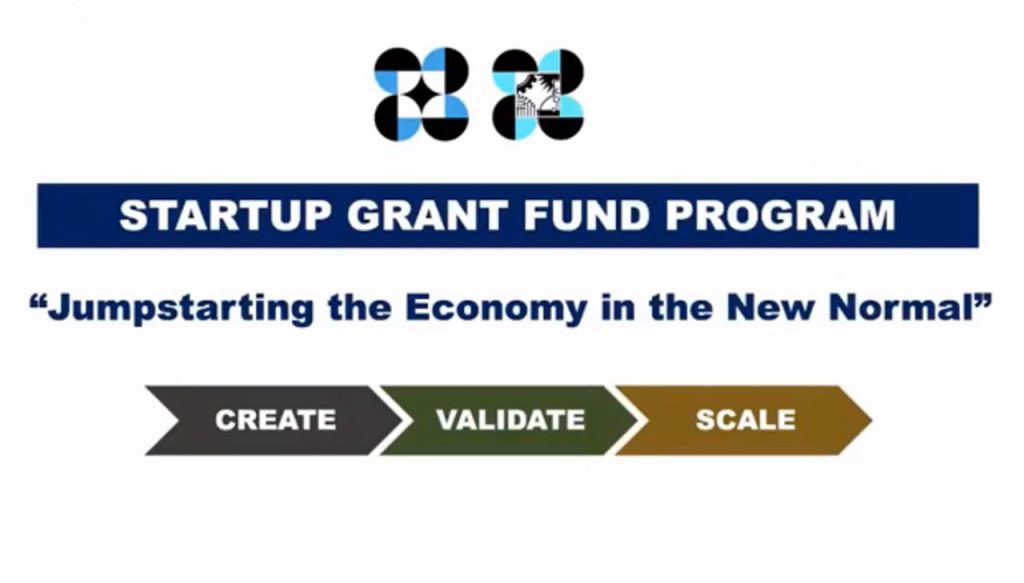
The Startup Grant Fund was created under the Innovative Startup Act to help local startups turn their ideas into real, working solutions. Three agencies manage their own SGF:
- DOST: for science and technology–based solutions
- DICT: for ICT, digital systems, applications, websites, and similar services
- DTI: for business, product, and market-building startups
Each agency receives budget allocations under the annual General Appropriations Act to maintain and replenish their grant funds. They also coordinate closely to avoid duplication or “forum shopping,” so startups won’t apply to multiple agencies for the same project.
Legal Basis
The SGF exists because of:
- Republic Act 11337 (Innovative Startup Act): orders DTI, DOST, and DICT to support startups through funding, incentives, and the Philippine Startup Development Program
- General Appropriations Act: where yearly budgets for the SGF are included
- DICT Department Circular No. 001-2023: guidelines on how the SGF is implemented, what the rules are, and how grants are evaluated.
What You Can Get From the SGF
Startups accepted into the program may receive:
1. Full or Partial Subsidies
- Grants: ₱500,000 to ₱1,000,000
- For product validation, development, customer testing, and prototype creation
- Based strictly on the approved Work and Financial Plan (WFP)
2. Mentoring and Coaching
- Access to accredited mentors with real experience
- Guidance for product development, business building, and market testing
3. Access to a Network of Mentors and Investors
- Connections to potential investors and startup enablers
- Additional funding opportunities after the project period
Note: Mentors cannot privately fund you during the active grant period (violations can lead to termination of the grant and legal consequences).
Benefits for Startups
Many Filipino founders struggle with early-stage funding, product testing, and mentorship. The SGF is designed to help you:
- turn your idea into a usable product
- get professional guidance
- connect with investors
- reduce financial pressure
- learn from experts
- grow faster without giving up equity
For young founders who don’t have access to big capital, this grant can be the first step toward turning a dream into a real business.
Who Can Apply?
You may apply if you are a startup that:
- Is registered through the Startup Philippines Website
- Develops an innovative product, process, or business model
- Has founders, officers, or team members with no outstanding accountability with any government agency
- Has no pending cases involving fraud or financial transactions
- Has no team member related up to the 4th civil degree to any DICT official involved in processing or approving the grant
These rules help keep the program clean, fair, and transparent.
Requirements
Here’s a complete list of the things you will need before you apply for the program:
Startup Documents
- Duly executed Application Form
- Application Letter using the prescribed template, signed and addressed to the DICT-ICT Industry Development Bureau Director
- Company/Individual Profile
For Corporations
- Certificate of Registration in the applicant’s country of domicile
- Articles of Incorporation and By-Laws
- Latest General Information Sheet
- Secretary’s Certificate authorizing the filing of the application
- Latest Audited Financial Statements
- Disclosure of other related businesses, if any
For Individuals
- DTI Certificate of Registration
- Barangay Clearance
- Mayor’s Permit
- BIR Registration
- Latest Audited Financial Statements
- Latest Income Tax Return
- Co-signers statement (if applicable)
Other Required Documents
- Sworn Affidavits from startup owners/incorporators/partners/directors declaring no relationship to DICT officers up to the 4th civil degree
- Disclosure of other grants received
- Complete Project Proposal using DICT format, including:
- Name of startup
- Title of proposed project
- Project duration
- Description of startup and its founders
- Detailed product description and value proposition
- Work and Financial Plan (WFP)
How the DICT Evaluates Your Startup
Your project proposal will be reviewed using these criteria:
- Workability / Technical Viability – 35%
- Is the tech sound and doable?
- Commercial Viability – 15%
- Can it compete and survive in the market?
- Management Capability – 30%
- Does your team have the skills and experience?
- Social & Environmental Impact – 10%
- Does your project help address SDGs?
- Manageable Timeframe – 10%
- Can you finish within 1 year as required?
Startups that pass will receive an SGA (Startup Grant Agreement) outlining all terms, conditions, and responsibilities.
How to Apply for the Startup Grant Fund (SGF)
Here is a simple, step-by-step guide that you can follow:
Step 1: Register Your Startup
Create or update your profile on the Startup Philippines Website. Make sure all your details match your SEC or DTI registration.
Step 2: Choose the Right Agency
Pick the agency that matches your product category:
- DICT: ICT, software, digital platforms
- DOST: science & technology innovations
- DTI: business development, product-driven startups
Step 3: Prepare Your Documents
Gather the documents listed above. Many founders struggle here, so prepare early. Common pain points include incomplete financial statements or unclear business information—make sure everything is properly labeled and updated.
Step 4: Write Your Project Proposal
Use the DICT’s prescribed format. Include:
- clear product description
- problem you’re solving
- measurable goals
- 12-month development plan
- simple, believable budget
- expected impact
Avoid overpromising; they prefer honest, achievable plans.
Step 5: Submit Your Application
Send your full application packet to DICT or the correct agency based on your project.
Step 6: Wait for Evaluation
Agencies may ask follow-up questions or clarifications. Be prepared to explain your product in simple language—they must understand it easily.
Step 7: Sign the Startup Grant Agreement (SGA)
If approved, you’ll receive your SGA. This will include project deliverables, timelines, fund releases, and reporting duties.
Step 8: Start Your Project
Once funds are released, begin development based on your WFP. You must follow reporting schedules strictly to avoid delays or penalties.
Tips to Avoid Delays or Rejection
To ensure a successful application, make sure to:
- Check every requirement twice before submitting
- Use simple language in your proposal
- Show you understand your market
- Keep your financial plan realistic
- Make sure your team has clear roles
- Submit honest disclosures about other grants or related businesses
The DICT and partner agencies want to help you succeed, but they need complete, clean, and organized applications.